“The fear of the LORD is the beginning of wisdom, And the knowledge of the Holy One is understanding” (Proverbs 9:10). I’ve been reflecting on this verse recently, particularly the part about the fear of the LORD, to understand what it means practically, and also what it doesn’t necessarily mean. The book of Proverbs is dotted with references to the Fear of the Lord. It is the beginning of wisdom (9:10), the beginning of knowledge (1:7), a fountain of life (14:27), it leads to life (19:23). As such, it is highly essential, so it felt important to me to understand what it means and implies.
The fear of the Lord is in a sense, reverence for God and who He is. And He truly is awe-inspiring and more than deserving of that reverence. It is this reverence that propels us to worship Him, to fall on our knees before Him. However, it is more than worshipping or trembling in fear at God’s presence, because as James 2:19 says “You say you have faith, for you believe that there is one God. Good for you! Even the demons believe this, and they tremble in terror” (NLT). In Mark 5:6-7, we discover that even demons/unclean spirits worshipped God. “But when he saw Jesus afar off, he ran and worshipped him, And cried with a loud voice, and said, What have I to do with thee, Jesus, thou Son of the most high God? I adjure thee by God, that thou torment me not.” This unclean spirit worshipped and acknowledged Jesus as the Son of God! As such, if we are just afraid of God or stop at kneeling before Him in worship, then that’s not much better than the demons. It has to be more than that.
Furthermore, it is vital to point out that God is our Father, and He is a loving, ‘good good’ Father, so we do not need to stand afar, quaking in our boots at His presence. We can rest in His loving arms. His presence is literally the safest place we can be, and consequently the place where we should fear the least. It is a fear-free zone. As Deuteronomy 33:27a encouragingly states “The eternal God is your refuge, and his everlasting arms are under you.” I love the image of me being on, or in, God’s arms, safe as can be. As such, the fear of the Lord is not a negative fear. So what is it then? I will shortly explore what it means practically. In delving deeper into this though, it may be helpful to provide a bit of context.
God has defined good and evil. However, humans do not always want to accept God’s definition, but instead, want to do this defining themselves. We can trace this all the way back to the Garden of Eden. How did the serpent tempt Adam and Eve? “But the serpent said to the woman, “You will not surely die. For God knows that when you eat of it your eyes will be opened, and you will be like God, knowing good and evil.” So when the woman saw that the tree was good for food, and that it was a delight to the eyes, and that the tree was to be desired to make one wise, she took of its fruit and ate, and she also gave some to her husband who was with her, and he ate” (Genesis 3:4-6).
The serpent sold Eve the idea of having one of the qualities of God Himself, the quality of ‘knowing good and evil’, and she saw that as a way to be wise, to become like God. This wasn’t just a case of knowing that ‘X is bad, so don’t do X’. They already knew that there were things they were not supposed to do because God had told them not to. The obvious example being not to eat the fruit of that particular tree. It was more a case of choosing what is good and evil. Interestingly, when a derivative of the Hebrew word for ‘know’ used in that verse is used elsewhere (such as in Genesis 18:19), it is sometimes translated as the verb ‘choose’. In a sense, man has always wanted to be his own God, to define life for himself, to choose what he feels is right or wrong, rather than follow God’s way. Reading through the Old Testament will reveal that this was a perennial problem. In other words, it’s not today it started. Interestingly though, going back to an earlier point about negative fear, it was only after this first act of disobedience to God that we see the first record of negative fear towards God, when Adam and Eve hid from God because they were afraid (Genesis 3:8-10).
The problem with humans defining good and evil though is changing winds and shifting sands. What was unacceptable, i.e. ‘evil’ years ago is now accepted and even celebrated. What was acceptable, i.e. ‘good’, is now even frowned on. On the other hand, as God says “For I am the Lord, I change not” (Malachi 3:6). God’s word is constant, ‘ever faithful, ever sure’, a steadfast rock. Also, you only have to sample a small pool of people to realise that people’s definitions of good and evil vary considerably. This difference can sometimes be more clearly seen across political and cultural boundaries as well. As such, how then can we rely on man for the definition of good and evil? Who gets to be the ultimate power among humans, when there are so many humans and so many divergent views, each thinking that they are right? But as the Bible emphasises, “For There is one God and one Mediator who can reconcile God and humanity—the man Christ Jesus” (1 Timothy 2:5, NLT); “Yet for us there is one God, the Father, from whom are all things and for whom we exist, and one Lord, Jesus Christ, through whom are all things and through whom we exist” (1 Corinthians 8:6, ESV); “Hear, O Israel: The Lord our God, the Lord is one” (Deuteronomy 6:4); “Thus says the Lord, the King of Israel and his Redeemer, the Lord of hosts: “I am the first and I am the last; besides me there is no god” (Isaiah 44:6). You get the point… There is only One True God. There is also the sad fact that we only have to look back in history as well as around in our world today to see the state we are in from man choosing to define life according to His own terms, and the impact that these definitions and choices centred around self have had. If it hasn’t worked out well this way so far, then isn’t there something fundamental we are missing/ignoring? And that is the fear of the Lord.
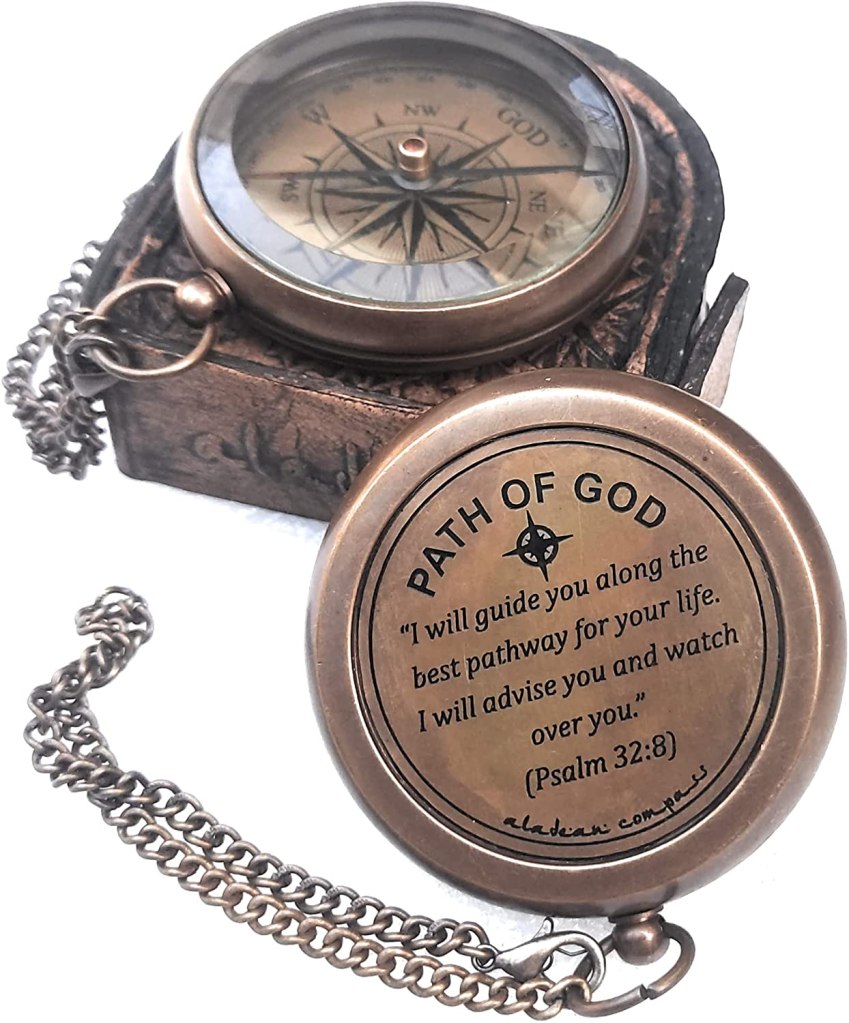
The fear of the Lord therefore is accepting God’s definition of good and evil, or defining good and evil, right and wrong, according to God’s terms. This means that we define what we should or should not do by what God says. This is not only a case of looking at the Bible to decide which transgressions we should avoid, but a complete shift in our thinking and perspective. It is total reliance on God to show us the way to go, trusting in God completely and not relying on our own understanding, as Proverbs 3:5 says. It is not just seeing God’s word as a moral compass, but as a whole life compass. There is a David Crowder Band song on Hillsong kids that captures this brilliantly. It goes.. “Every move I make, I make in you… Every step I take, I take in you… Every breath I take, I breathe in you”. It is an all-encompassing, whole life dependence on God for direction, for guidance on what to do and what not to do. Fully accepting God’s choice and definition of good and evil, the paths to walk in and the paths to avoid, and meekly letting it dictate our lives. It is a deep respect and humble acknowledgement of the supremacy of God’s choices and decisions, knowing that He is far wiser and more loving than we can ever be, and a deference to His will and choices. And that, as the Bible puts it, is ‘the beginning of wisdom’. I’m emphasising beginning because, as John Cheever quips “wisdom is the knowledge of good and evil, not the strength to choose between the two.” There is therefore the beginning element of knowing, and then the very important element of ongoing doing. That, however, is a subject for another post. I have touched on one aspect of this here as well, but it is admittedly much broader.
I pray that as we reflect on what it means to fear God, we will understand that we can trust God’s definitions, because He is wise, good, just, faithful, and He loves us so much. Who else can we trust for direction to steer the ship of our lives but an omniscient, omnipresent, omnipotent, loving God? Or as Peter aptly puts it “Lord, to whom shall we go? You have the words of eternal life” (John 6:68). May we abandon our shifty, myopic definitions and choices and cling fast to God’s, knowing that in doing so, we can never be on the losing side, but will enjoy abundant, glorious, eternal life, bubbling from a fountain that never ever runs dry.
Image source here.


Leave a Reply